
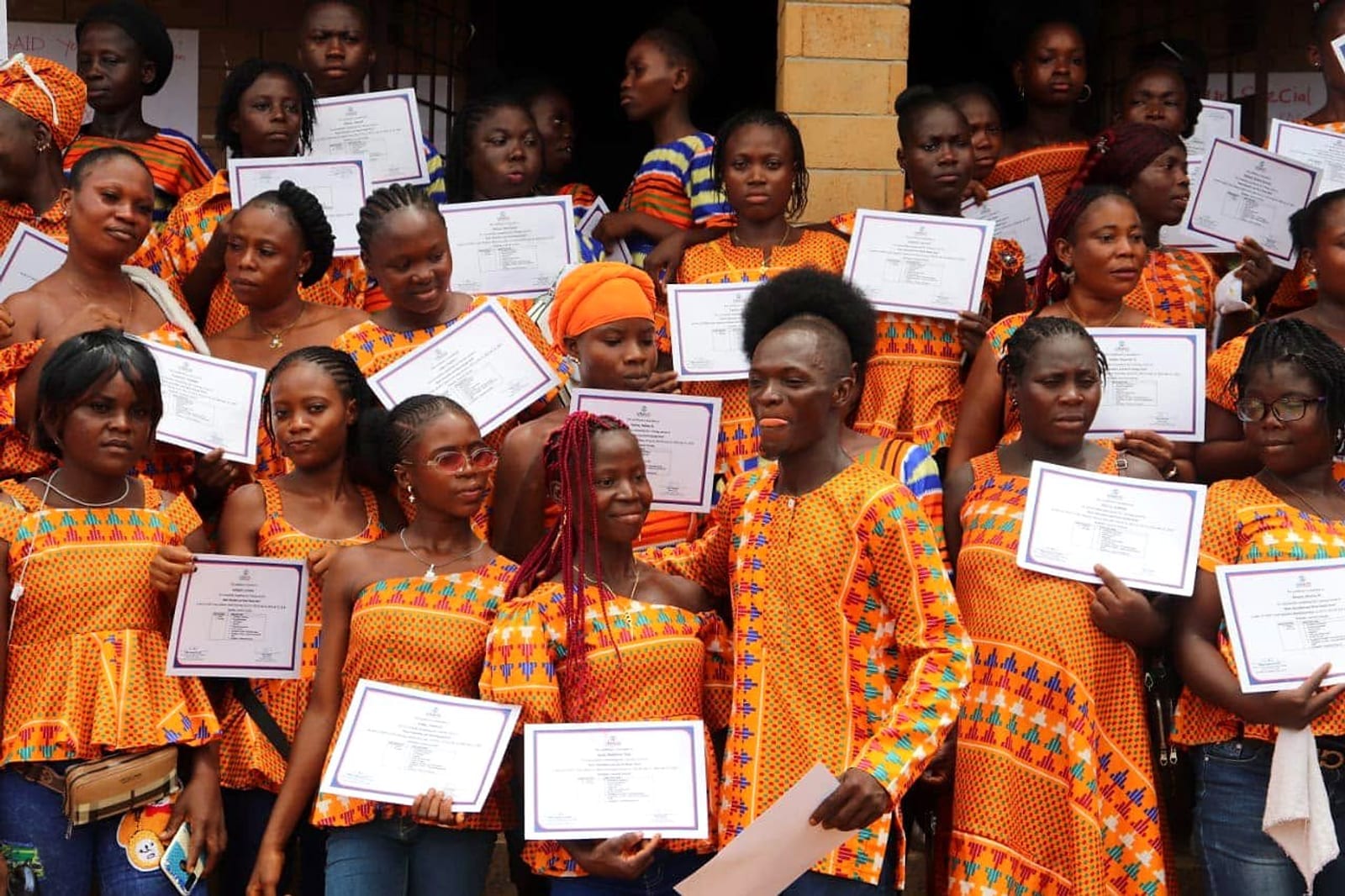
Skills Should Open Doors to Opportunity
We work with young people, women, and communities to build practical skills, strengthen livelihoods, and expand pathways to economic opportunity, particularly for people whose circumstances limit their ability to earn, save, and build more secure futures.
When Opportunity Is Limited, Potential Goes Untapped
For many young people and families, completing education does not automatically lead to economic opportunity. Limited access to practical skills, employment, finance, and markets can make it difficult to turn ability and ambition into a sustainable livelihood.
In rural and underserved communities, these barriers can be even greater, leaving many people dependent on informal or vulnerable sources of income. But skills become more powerful when people have the opportunity to use them.
LIPACE connects learning with practical pathways to economic participation. We support people to develop relevant skills, explore entrepreneurship, strengthen financial capability, and build livelihoods that respond to opportunities within their communities.
Our approach recognizes that training alone is not enough. People also need the confidence, financial knowledge, connections, and support to put new skills into practice. That is why our work has combined literacy and work-readiness training with vocational skills, entrepreneurship, financial inclusion, and savings opportunities.
Skills, livelihoods, and enterprises that last
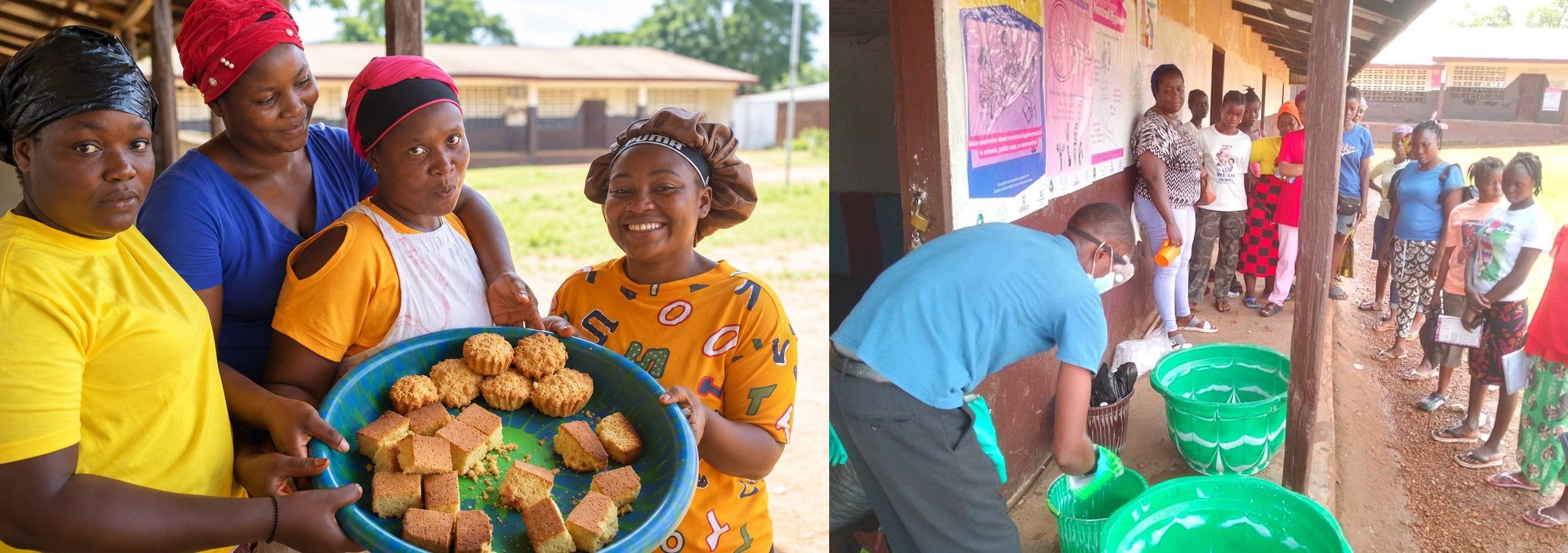
Over the years, LIPACE has supported young people and adults through skills, livelihood, entrepreneurship, and economic empowerment initiatives like USAID Youth Advance, where participants combined foundational learning and work-readiness skills with practical livelihood training.
Young people developed skills in areas including soap-making, pastry, hairdressing, and interior decoration, while women were also supported to access formal savings opportunities. To date, 75+ youth-led microenterprises have been launched.
Economic empowerment means control over your own future
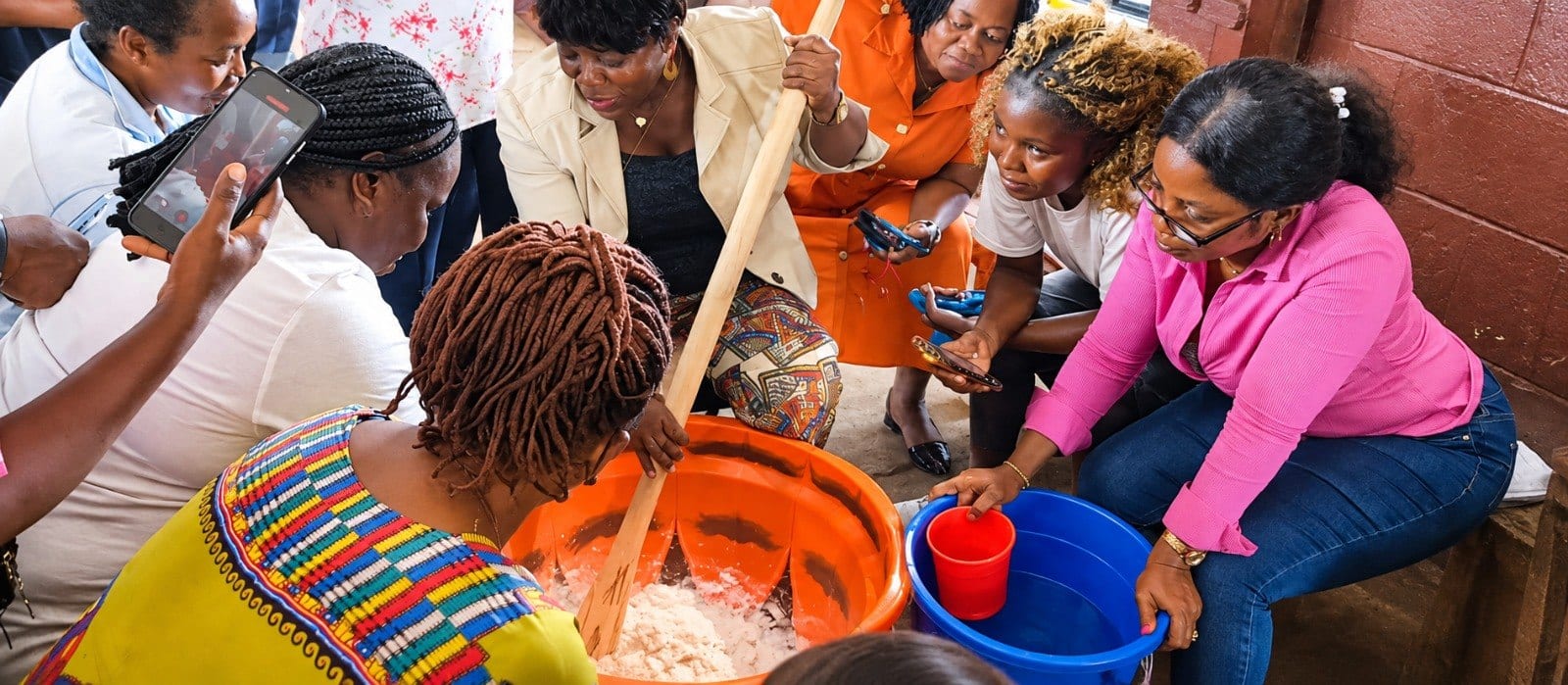
Our livelihoods work continues to evolve around a simple idea: economic empowerment should help people build greater control over their own futures. We will continue connecting skills development with entrepreneurship, financial inclusion, savings, and locally relevant economic opportunities while listening to communities and adapting our approaches to what people tell us they need.